
Säkerhet och snabba utbetalningar: vad du behöver veta som spelare
26. August 2026Can luck really influence your success at casinos?
26. August 2026Exploring the psychology behind casino gambling
The allure of chance and risk
The excitement of casino gambling is deeply rooted in the human attraction to risk and uncertainty. This allure often stems from our inherent desire for reward, paired with the thrill that comes from taking chances. When individuals step into a casino, they are not just participating in games; they are engaging in a psychological experience that tantalizes the brain’s reward systems. This heightened state of arousal can lead to the sensation of being alive, as every roll of the dice or spin of the wheel brings the possibility of a life-altering outcome, especially at a fast withdrawal casino canada real money where the unpredictability of winning creates a compelling narrative, one that many find irresistible.
Moreover, the unpredictability of games like slots and poker stimulates the dopamine pathways in the brain. This neurotransmitter plays a pivotal role in driving pleasure and reinforcement, making the act of gambling not just about winning money, but rather an emotional journey filled with highs and lows. The anticipation of winning amplifies this psychological effect, drawing players deeper into the experience, often leading them to overlook the risks involved. This state of anticipation can create a feedback loop; the more players engage, the more their brains crave the next thrill, which can lead to increased betting and prolonged sessions.
Cognitive biases such as the illusion of control also play a significant role in the psychology behind gambling. Many gamblers believe they can influence outcomes, especially in games that involve skill, such as poker. This false sense of mastery encourages prolonged play and leads to an underestimation of the house edge. Players often develop strategies that they believe will improve their odds, even when the outcomes are purely random, compounding the thrill but also the potential for significant losses. This blend of cognitive bias and emotional investment can create a powerful psychological trap that keeps players engaged far longer than they intended.
The social dynamics of gambling
Casino environments are crafted to enhance social interaction, making them appealing venues for many. The communal experience of gambling—cheering with friends at a blackjack table or bonding over a shared poker game—creates a sense of belonging that can be very powerful. For many players, the social aspect can be just as, if not more, important than the financial gains. The ability to communicate and share experiences with others helps to enhance enjoyment and reinforce gambling behaviors. In this way, casinos become social hubs where camaraderie and competition intersect, often amplifying the excitement.
Furthermore, social proof, a psychological phenomenon where people mimic the actions of others, can lead to increased participation in gambling activities. Observing others win can create a herd mentality, where individuals feel compelled to join in, driven by the excitement visible around them. This dynamic can create a cycle of engagement that may lead to compulsive behaviors, as the need to belong and participate overshadows rational decision-making. Casinos exploit this tendency by creating lively atmospheres, filled with cheers and celebrations, which can further entice new players to join in on the action.
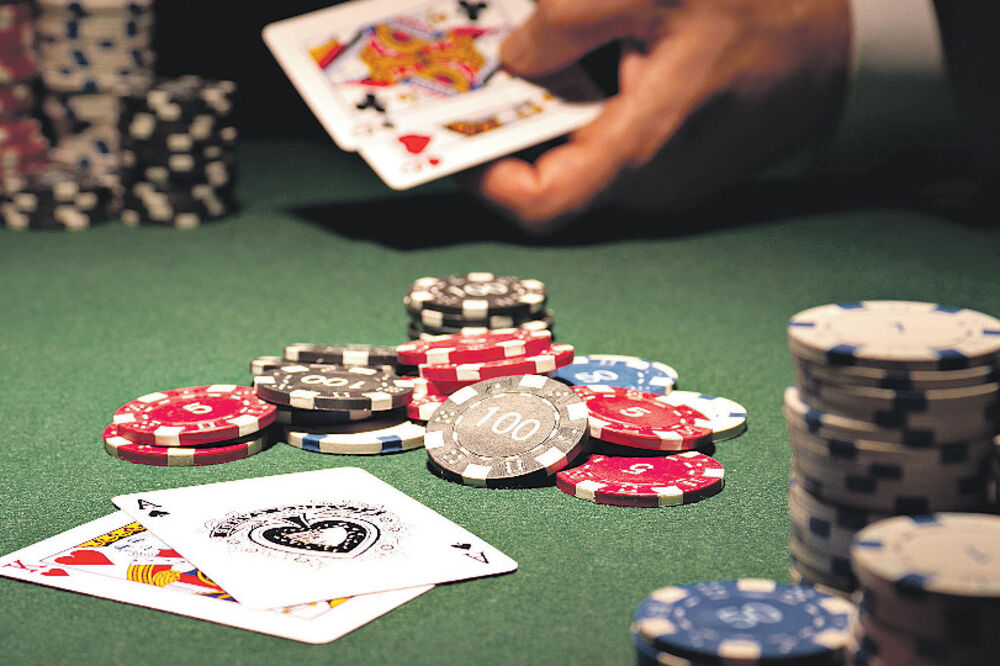
The social interactions in gambling settings can also tap into deeper psychological needs, such as companionship and recognition. Many casinos host events and tournaments, encouraging players to showcase their skills while also fostering community. This kind of environment can make it difficult for individuals to step back and assess their gambling habits critically, as the positive social feedback can mask potential problems that emerge from excessive play. These social dynamics can create a sense of loyalty to both the game and the casino, making it challenging for players to realize when their behavior has shifted from social enjoyment to problematic gambling.
The role of marketing and design
The design and marketing strategies employed by casinos are meticulously crafted to provoke certain psychological responses. From the colors and sounds to the layout of the gaming floor, every aspect is intended to maximize engagement. Bright lights and cheerful sounds create an upbeat atmosphere, while inviting layouts keep players moving from one game to another, drawing them deeper into the experience. This sensory overload is intentionally designed to create a feeling of euphoria, making it easy to lose track of time and money. The use of enticing visuals and sounds can transform a simple gambling session into an immersive experience that captivates the senses.
Moreover, marketing strategies often capitalize on the fantasy of wealth and luxury, portraying a glamorous lifestyle that appeals to the desires of potential gamblers. Casinos create advertisements that evoke emotions tied to aspiration and excitement, painting a picture of potentially life-changing winnings. This kind of messaging can reinforce the belief that gambling is a viable pathway to financial freedom, perpetuating the cycle of participation and consumption. By framing gambling in a positive light, these marketing efforts can obscure the risks and realities of gambling, leading individuals to partake without fully understanding the implications.
The implementation of loyalty programs and rewards systems further solidifies this connection. By offering players perks and incentives, casinos enhance the psychological commitment to gambling. The prospect of earning free stays or exclusive experiences can create a sense of obligation to return, even if the individual is facing significant losses. This interplay of rewards and costs unveils the complex dynamics at play, as players often feel compelled to chase their losses in hopes of achieving a reward that continuously eludes them. This cycle can create a sense of dependency, where the thrill of potential rewards outweighs the reality of gambling’s risks.
Emotional impacts of gambling behavior
The emotional landscape of gambling is intricate and often tumultuous. While many people gamble for fun and entertainment, the emotional ramifications can shift drastically when the experience becomes compulsive. As players chase wins or try to recoup losses, they may experience a range of emotions, from euphoria during winning streaks to despair and frustration during losing periods. This rollercoaster of emotions can create a dependency on gambling that feels almost inevitable for some individuals. The highs of winning can be intoxicating, while the lows can lead to significant distress, creating a volatile emotional environment.
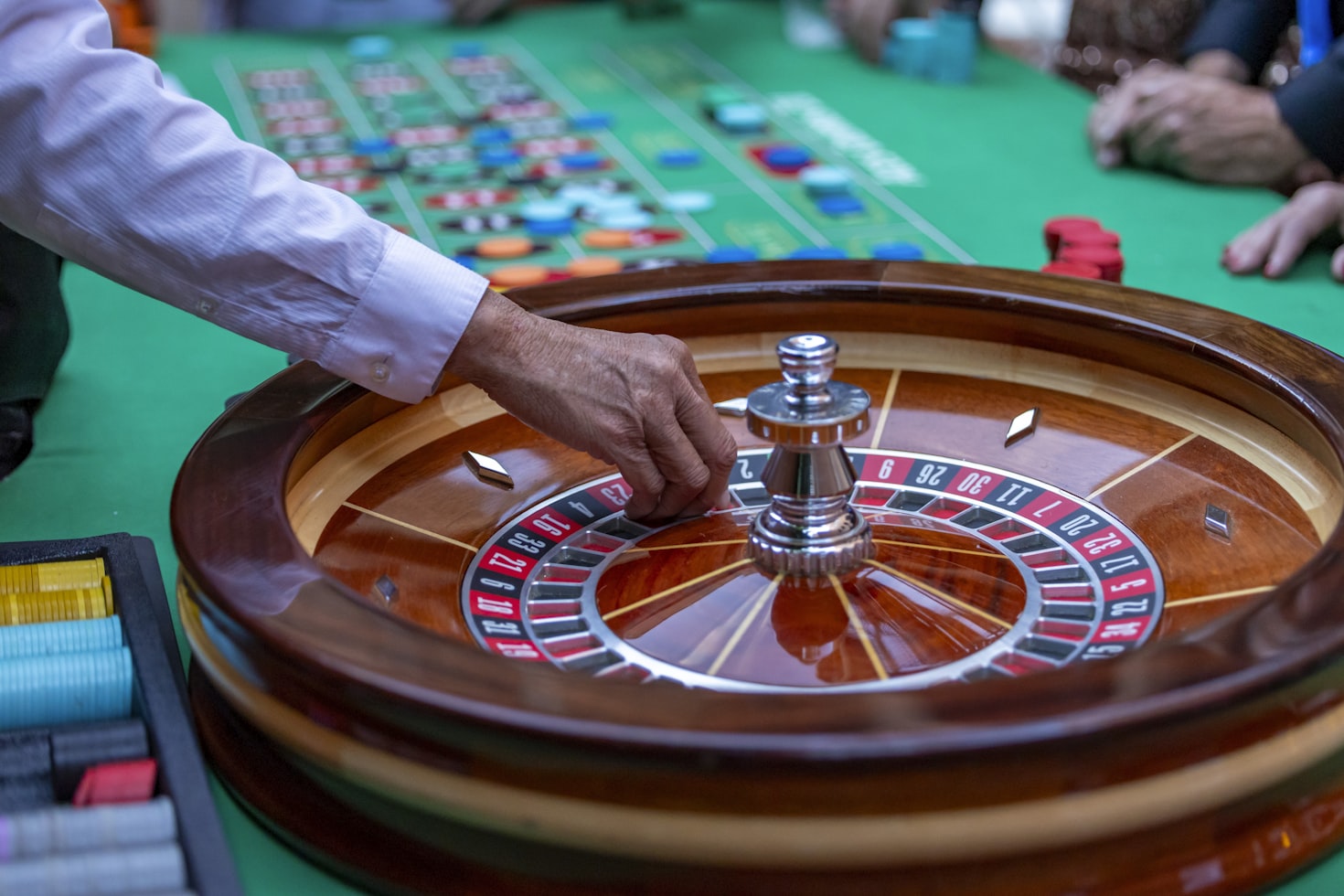
Additionally, the isolation that can accompany excessive gambling further complicates emotional well-being. Players may withdraw from social connections, leading to feelings of loneliness and depression. The shame associated with losing money or engaging in risky behaviors often exacerbates these negative feelings, creating a cycle that can be difficult to escape. Understanding these emotional impacts is crucial for identifying when gambling has crossed a line from leisure to an addiction. The relationship between gambling and mental health is complex, often requiring intervention and support to address effectively.
Support networks and interventions are essential in addressing the emotional toll of gambling. Many individuals may not recognize their behavior as problematic until faced with significant losses or strained relationships. Education about the emotional aspects of gambling can foster awareness, helping players make more informed decisions about their engagement with casinos and gaming activities. Support groups and counseling can provide crucial resources for those struggling, encouraging healthy habits and emotional resilience in the face of gambling temptations.
Understanding gambling on a broader scale
It’s important to consider that gambling, particularly in casinos, reflects broader societal norms and values. The acceptance of gambling as a form of entertainment varies across cultures, and the psychology behind it is influenced by these sociocultural factors. For some, gambling represents risk-taking behavior, while for others, it may symbolize opportunity and success. Understanding these diverse perceptions can shed light on why certain individuals are drawn to gambling more than others, and how this shapes their experiences in casinos. Cultural attitudes towards gambling can significantly influence individual behaviors and expectations.
The prevalence of gambling addiction has spurred extensive research into its causes and consequences, highlighting the need for responsible gaming initiatives. Many casinos are implementing measures to promote safer gambling practices, such as setting limits on playtime and providing resources for those seeking help. By fostering a culture of responsibility, the gambling industry can work towards mitigating the negative psychological impacts associated with excessive gambling. These initiatives aim to balance the entertainment aspect of gambling with the responsibility to protect vulnerable individuals.
For anyone interested in the nuances of gambling psychology, numerous resources are available online. These platforms often provide educational content, support tools, and community forums for sharing experiences. By exploring the psychology of casino gambling, individuals can better understand their own motivations and the potential impacts of their gambling behavior, leading to healthier engagement with gaming activities. The conversation around responsible gambling is evolving, and increased awareness can empower players to make informed choices.
